



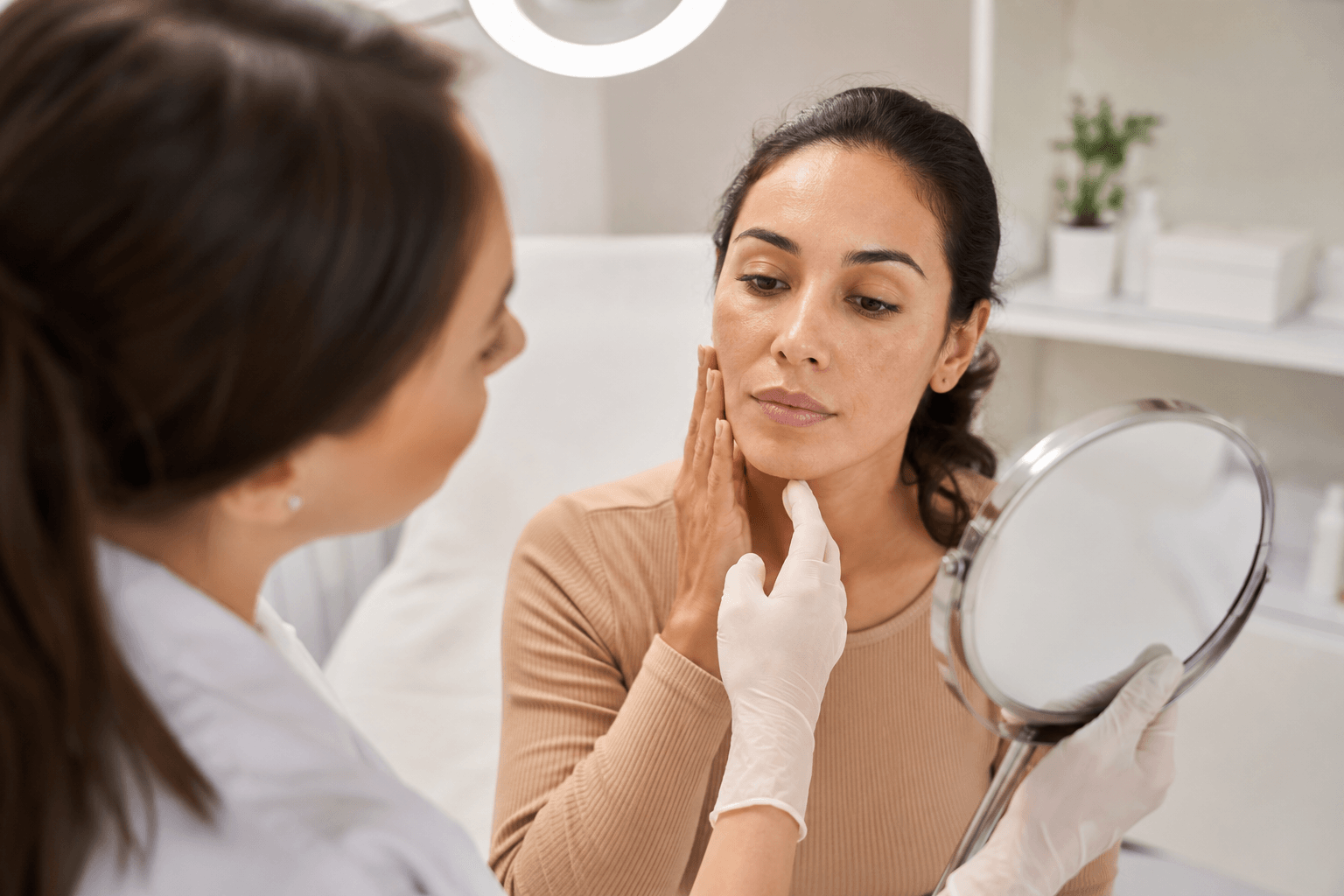
If you have ever looked in the mirror and noticed dark patches spreading across your cheeks, forehead, or upper lip, you have probably searched the word hyperpigmentation. Then another word pops up. Melasma.
So is melasma just another name for hyperpigmentation, or is it something completely different?
The short answer is this: melasma is a type of hyperpigmentation, but not all hyperpigmentation is melasma. The long answer is far more important, especially if you are looking for the best hyperpigmentation treatment in Costa Mesa, CA.
This guide was updated this month and year to reflect the most current skincare recommendations and treatment approaches. Let’s break it down clearly and simply so you can understand what is happening with your skin and what can actually help.
What Is Hyperpigmentation?
Hyperpigmentation is a broad term used to describe any area of skin that becomes darker than the surrounding skin. It happens when your skin produces excess melanin, the pigment responsible for your natural skin tone.
Common forms of hyperpigmentation include:
- Sunspots or age spots
- Post inflammatory hyperpigmentation from acne
- Dark spots from hormonal changes
- Melasma
In other words, hyperpigmentation is the umbrella. Melasma is one of the conditions under that umbrella.
In Costa Mesa, we see hyperpigmentation frequently due to sun exposure, hormonal shifts, and acne related scarring. The key is identifying which type you have before choosing a treatment.
What Is Melasma?
Melasma is a specific and often stubborn form of hyperpigmentation. It usually appears as symmetrical brown or gray brown patches on the face, especially on:
- Cheeks
- Forehead
- Upper lip
- Jawline
Melasma is strongly linked to hormonal changes and sun exposure. It is common during pregnancy, which is why it is sometimes called the “mask of pregnancy.” It can also develop from birth control pills or hormone therapy.
Unlike simple sunspots, melasma often sits deeper in the skin and tends to come back if not treated correctly.
How Is Melasma Different From Other Forms of Hyperpigmentation?
Understanding the difference matters because treatment strategies are not the same.
Pattern and Symmetry
Melasma usually appears in symmetrical patches on both sides of the face. Post acne hyperpigmentation, on the other hand, shows up exactly where a breakout occurred.
Triggers
Melasma is typically triggered by hormones and UV exposure working together. Other hyperpigmentation types may be caused primarily by inflammation or sun damage alone.
Depth in the Skin
Melasma can exist in the epidermis, dermis, or both. When pigment sits deeper in the skin, it becomes more difficult to treat and requires a strategic approach.
This is why a proper skin care consultation is essential before starting any treatment. What works for acne related dark spots may worsen melasma if done incorrectly.
What Causes Melasma to Develop?
Melasma is multifactorial, meaning several things contribute to it.
Hormonal Fluctuations
Pregnancy, birth control, and hormone replacement therapy can all increase melanin production.
Sun Exposure
Even brief sun exposure can stimulate pigment production. Living in a sunny area like Costa Mesa makes diligent sun protection absolutely critical.
Heat and Inflammation
Heat, not just UV rays, can trigger melasma. Infrared heat from the sun or even certain treatments may stimulate pigment.
Genetic Predisposition
Some individuals are more prone to developing melasma based on genetics and skin type.
Understanding these triggers is key when choosing the best skincare treatment. Treating melasma is not just about removing pigment. It is about calming the melanocytes that are overproducing it.
Why Is Melasma So Difficult to Treat?
Melasma has a reputation for being stubborn, and there is a reason for that.
First, the pigment can sit deeper in the skin. Second, the cells responsible for pigment production remain reactive. Even if you lighten the patches, they can return if triggers are not controlled.
Aggressive treatments can sometimes worsen melasma by causing inflammation, which stimulates even more pigment production.
This is why a customized plan at a reputable skin care clinic in Costa Mesa is essential. It is not about doing the strongest peel or the most intense treatment. It is about doing the right one.
Can Chemical Peels Improve Melasma?
Yes, chemical peel treatments can improve melasma when used strategically.
A properly formulated depigmentation peel works by:
- Exfoliating the top layer of pigmented skin
- Inhibiting melanin production
- Encouraging healthy cell turnover
At Shorr Beauty, depigmentation peels are designed specifically to target pigment safely and effectively. Unlike aggressive peels that may irritate the skin, these treatments are chosen carefully based on your skin type and pigmentation depth.
A customized chemical peel plan may include:
- Progressive peel series
- Supportive home care products
- Strict sun protection
Consistency is key. Melasma does not disappear overnight, but it can improve significantly with the right protocol.
If you have searched for a depigmentation peel near me, the most important step is ensuring you receive a professional evaluation first.
What Skincare Treatments Are Recommended for Melasma?
Treating melasma usually requires a combination approach rather than a single solution.
Best Skin Care Consultation
Everything starts with a detailed skin analysis. A thorough consultation identifies:
- Pigment depth
- Skin sensitivity
- Current skincare routine
- Hormonal factors
This allows for a safe and personalized plan.
Depigmentation Peel
A targeted depigmentation peel can gradually reduce pigment while minimizing inflammation. This is often one of the most effective options for melasma.
Chemical Peel Series
A series of lighter chemical peel treatments may help improve tone and texture over time.
Microneedling and Microchanneling
Microneedling can improve overall skin texture and stimulate collagen production. When performed properly, it may also assist with certain types of hyperpigmentation. However, melasma patients must be evaluated carefully, as overly aggressive treatment can cause flare ups.
If you have searched for microchanneling near me or procell microchanneling near me, it is important to confirm whether your pigmentation type makes you a candidate.
Diamond Glow Facial
The Diamond Glow Facial focuses on exfoliation, extraction, and serum infusion. While it is not a direct melasma cure, it can support overall skin clarity and improve the effectiveness of pigment correcting products.
Acne Bootcamp
For those experiencing both acne and hyperpigmentation, an Acne Bootcamp program can help reduce breakouts while preventing post inflammatory dark spots that worsen overall discoloration.
Each treatment plan is customized. There is no universal best hyperpigmentation treatment. There is only the best treatment for your specific skin.
Why Professional Guidance Matters in Costa Mesa
Costa Mesa’s sunny climate makes pigmentation management more challenging. UV exposure year round increases the risk of recurrence.
Working with a trusted skin care clinic ensures:
- Proper diagnosis
- Customized treatment selection
- Ongoing pigment management
- Education on prevention
Sun protection is non negotiable. Broad spectrum SPF, hats, and minimizing peak sun exposure all play a role in maintaining results.
Frequently Asked Questions About Melasma and Hyperpigmentation
Is melasma permanent?
Melasma can be managed very successfully, but it may return if triggers such as sun exposure or hormonal changes are not controlled. Ongoing maintenance and sun protection are essential.
What is the best hyperpigmentation treatment in Costa Mesa?
The best treatment depends on the type of pigmentation. Depigmentation peels and customized chemical peel series are commonly recommended for melasma. A professional consultation will determine the safest option for your skin.
Can a facial treatment remove melasma?
A facial treatment like the Diamond Glow Facial can improve overall skin clarity and support pigment correction, but melasma typically requires more targeted treatments such as depigmentation peels.
Does microneedling help melasma?
Microneedling may help certain pigmentation concerns, but melasma requires careful evaluation. In some cases, overly aggressive microneedling can worsen pigment.
How long does it take to see improvement?
Most clients begin to notice improvement within several weeks when following a structured treatment plan. Significant improvement often requires a series of treatments and diligent home care.
Is a consultation really necessary?
Yes. Melasma can resemble other forms of hyperpigmentation. A thorough skin care consultation ensures the treatment approach is accurate and safe.
Glow Smarter, Not Harder
Melasma and hyperpigmentation are closely related, but they are not the same. Understanding the difference is the first step toward real improvement.
If you are in Costa Mesa, CA and struggling with dark patches that do not seem to respond to over the counter products, professional evaluation can change everything. The right combination of depigmentation peel treatments, chemical peels, supportive facial treatments, and expert guidance can dramatically improve your skin tone while minimizing recurrence.
Healthy, even skin is not about chasing trends. It is about choosing the right strategy for your unique skin and committing to consistency. When you do that, real transformation happens.
Contact us | Blogs