



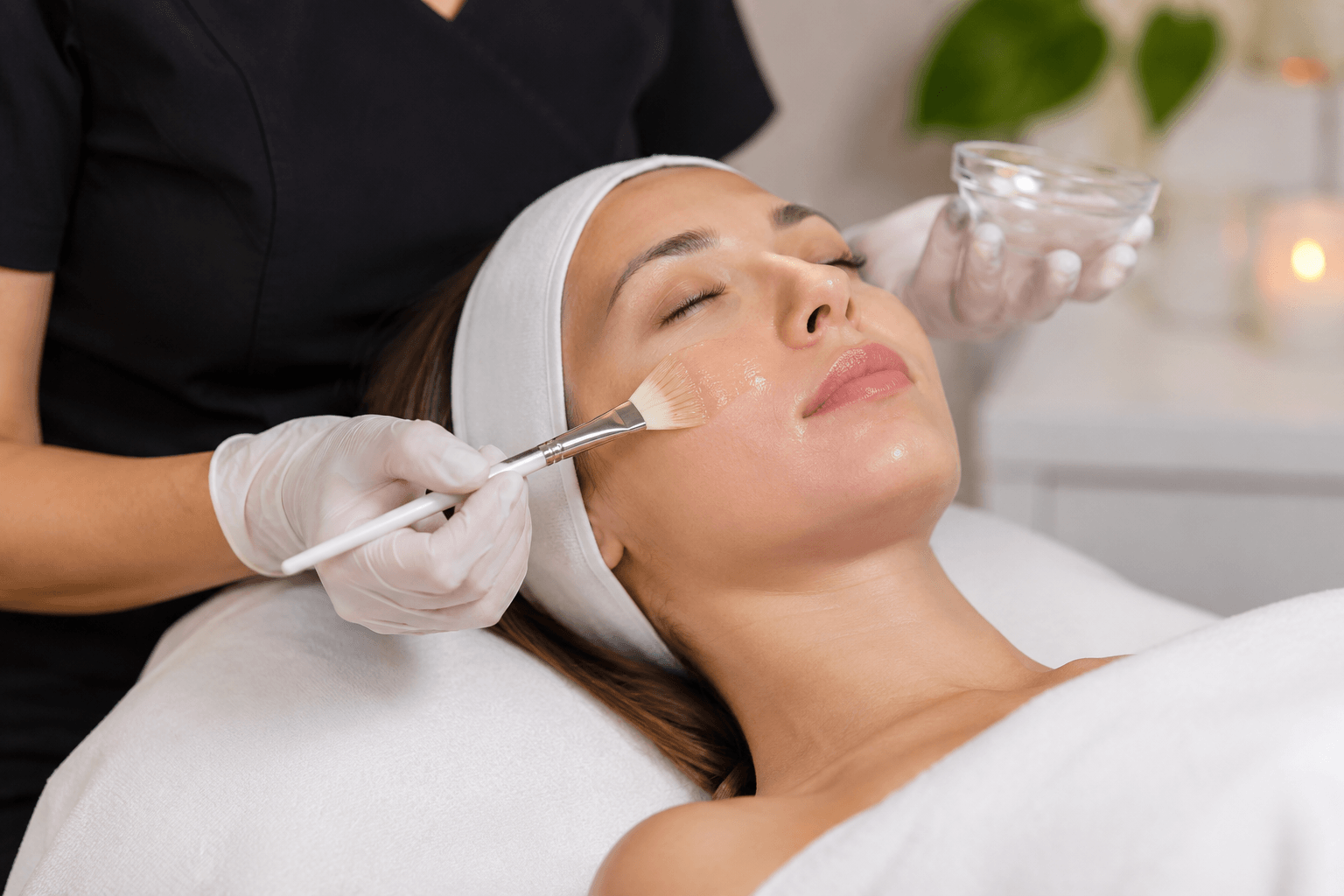
If you have ever searched for clearer, brighter skin without weeks of downtime, chances are you have come across the VI Peel. It is one of the most talked-about professional skin treatments for concerns like hyperpigmentation, acne scars, and uneven tone. But what does it really do once it is applied to your skin?
At Shorr Beauty in Costa Mesa, CA, the VI Peel has become a go-to option for clients who want noticeable improvement without aggressive procedures. This guide breaks down exactly how it works, what happens beneath the surface, and what you can realistically expect from treatment.
Article updated May 2026 to reflect current treatment protocols and skin science.
What Is a Chemical Peel?
Before understanding the VI Peel specifically, it helps to answer a common beginner question: what is a chemical peel?
A chemical peel is a professional skin treatment that uses a specialized solution to exfoliate and remove damaged outer layers of skin. This controlled exfoliation stimulates cell turnover, encourages collagen production, and reveals healthier skin underneath.
Chemical peels come in different strengths:
- Light peels that target the superficial layer
- Medium-depth peels that reach into the upper dermis
- Deep peels that significantly resurface the skin
The VI Peel falls into the medium-depth category. It is formulated to treat multiple concerns at once while still being safe for a wide range of skin tones. Unlike harsher peels of the past, it is designed to be both effective and manageable in terms of downtime.
How Does a VI Peel Work?
The VI Peel is a medical-grade chemical peel that combines ingredients such as TCA, retinoic acid, salicylic acid, phenol, and vitamin C. Each component plays a role in improving skin tone, texture, and clarity.
Once applied, the solution penetrates the upper layers of the skin and begins to:
- Break down damaged skin cells
- Accelerate cellular turnover
- Stimulate collagen and elastin production
- Reduce excess pigment formation
- Calm certain types of inflammation
Over the next few days, the outermost layer of damaged skin begins to shed. This peeling process reveals smoother, brighter, more even-toned skin underneath.
For those searching for a VI Peel in Costa Mesa, CA, it is important to know that this is not just surface exfoliation. It triggers deeper renewal, which is why results often look more dramatic than a traditional facial.
What Layers of Skin Does VI Peel Target?
To understand why results are so noticeable, it helps to know what layers are involved.
Your skin has three main layers:
- Epidermis
- Dermis
- Subcutaneous tissue
The VI Peel primarily targets the epidermis and reaches into the upper portion of the dermis. Here is what that means in practical terms:
Epidermis
This is the outermost layer of skin. It contains dead skin cells, pigmentation irregularities, and surface damage from sun exposure. The peel removes these damaged cells, which is why you see visible peeling a few days after treatment.
Upper Dermis
This layer contains collagen and elastin fibers that keep your skin firm and smooth. By stimulating this layer, the VI Peel encourages collagen production, which improves fine lines, acne scars, and overall texture over time.
Because it works at multiple levels, the VI Peel is often recommended for hyperpigmentation, mild to moderate acne scarring, sun damage, and early signs of aging.
Why Does Peeling Happen After Treatment?
One of the most common questions clients ask is why their skin actually peels.
Peeling is not random. It is a controlled and intentional part of the process.
When the VI Peel solution is applied, it disrupts the bonds between damaged skin cells. Over the next two to five days, those cells detach and shed. This shedding allows fresh, healthier skin cells to rise to the surface.
The peeling phase typically:
- Starts around day two or three
- Is most noticeable around the mouth and chin
- Can last about three to five days
It is important not to manually pull or peel the skin. Proper aftercare helps protect the new skin underneath and supports optimal healing.
For patients in Costa Mesa, CA dealing with hyperpigmentation or uneven tone from sun exposure, this peeling phase is a key part of the transformation.
How Long Does the Healing Process Take?
Healing after a VI Peel is generally straightforward, especially compared to more aggressive resurfacing treatments.
Here is a realistic timeline:
Day 1: Skin may feel tight or slightly darker.
Days 2 to 3: Peeling begins, usually around the mouth.
Days 4 to 5: Peeling continues and then tapers off.
Day 6 onward: Fresh, clearer skin is visible.
Most clients return to normal activities immediately. Makeup can usually be applied once peeling has subsided, following provider instructions.
Full collagen remodeling continues for weeks after treatment. That means improvements in texture and fine lines may continue to develop even after the visible peeling ends.
What Results Can You Realistically Expect?
Setting realistic expectations is important with any skin treatment.
After one VI Peel, many people notice:
- Brighter complexion
- More even skin tone
- Reduced appearance of hyperpigmentation
- Smoother texture
- Fewer active breakouts
For deeper concerns such as acne scars or stubborn pigmentation, a series of treatments may be recommended.
At Shorr Beauty in Costa Mesa, CA, treatment plans are customized based on your skin type, lifestyle, and long-term goals. Some clients combine VI Peel sessions with other professional skin treatments as part of a comprehensive approach to rejuvenation.
It is also worth noting that while a VI Peel can help calm certain inflammatory skin concerns, persistent conditions like rosacea treatment may require additional targeted therapies. Always consult a licensed professional to determine the best option for your skin.
How Does VI Peel Compare to Facials?
Another frequent question is how this treatment differs from a traditional facial.
A facial focuses on cleansing, exfoliating, hydrating, and maintaining the skin. It is ideal for routine maintenance and glow.
A VI Peel, on the other hand, is corrective. It is designed to address deeper issues like pigmentation, acne scarring, and uneven tone.
When researching facials cost versus a VI Peel, it is helpful to understand the difference in intensity and outcome. While facials are typically less expensive and require no downtime, a VI Peel delivers more dramatic resurfacing results with a short but noticeable recovery period.
Both have their place in a well-rounded skin care plan.
Is a VI Peel Safe for All Skin Types?
One of the reasons the VI Peel has become so popular is its versatility.
It is formulated to be safe for many skin tones, including those more prone to post-inflammatory hyperpigmentation. However, candidacy depends on your current skin condition, medications, and overall health.
A professional consultation at Shorr Beauty ensures that the treatment is appropriate for your unique skin profile.
Why Local Expertise Matters in Costa Mesa, CA
Living in Costa Mesa means your skin is regularly exposed to strong sun, coastal air, and environmental stressors. These factors contribute to pigmentation, premature aging, and uneven tone.
Choosing a provider experienced with VI Peel in Costa Mesa, CA ensures that your treatment plan accounts for:
- Local climate conditions
- Sun exposure habits
- Skin types common in the area
- Safe post-treatment care in a sunny environment
Post-peel sun protection is especially important in Southern California. Proper SPF use and aftercare protect your results and prevent new pigmentation from forming.
Frequently Asked Questions About VI Peel
What does a VI Peel actually do for hyperpigmentation?
The VI Peel reduces hyperpigmentation by accelerating the removal of pigmented skin cells and regulating melanin production. Over time, dark spots fade and the overall complexion appears more even.
How much does a VI Peel cost compared to facials?
Facials cost less because they are maintenance treatments. A VI Peel is a corrective skin treatment that penetrates deeper and produces more dramatic results. Pricing varies depending on your provider and whether a series is recommended.
Can a VI Peel help with rosacea?
While the VI Peel may improve overall skin tone and texture, rosacea treatment often requires additional targeted therapies. A consultation is essential to determine whether a peel is appropriate for sensitive or reactive skin.
Is the peeling process painful?
Most clients describe the peeling phase as tight and mildly uncomfortable rather than painful. The treatment itself may create a temporary tingling sensation during application.
How often should you get a VI Peel?
For general maintenance, some clients schedule treatments a few times per year. For concerns like acne scarring or stubborn pigmentation, a series spaced several weeks apart may be recommended.
Is a VI Peel better than other chemical peels?
The answer depends on your skin goals. The VI Peel is known for treating multiple concerns at once with manageable downtime. Other chemical peel formulations may be better suited for very specific conditions. A professional evaluation helps determine the best fit.
Ready to Press Reset on Your Skin?
If you have been wondering what a VI Peel actually does to your skin, the answer is simple. It removes damage, stimulates renewal, and reveals a clearer, brighter complexion underneath.
For those considering a VI Peel in Costa Mesa, CA, personalized guidance makes all the difference. At Shorr Beauty, treatments are tailored to your skin type, concerns, and lifestyle, ensuring that your results look natural and feel transformative.
Your skin has the ability to renew itself. Sometimes it just needs the right nudge in the right hands.
Contact us | Blogs