



Updated June 2026
Uneven skin tone can be one of the most frustrating skin concerns to manage. Whether it's lingering acne marks, sun damage from years spent outdoors, hormonal pigmentation, or general dullness, discoloration often makes skin appear older and less vibrant than it actually is. While countless skincare products promise brighter, more balanced skin, many people eventually ask the same question: Is a chemical peel worth it for uneven skin tone?
The answer depends on the cause of your discoloration, your skin type, and your long-term skincare goals. For many individuals, a professional chemical peel can be an effective way to improve skin clarity, reduce pigmentation concerns, and reveal a healthier-looking complexion.
If you're considering a chemical peel in Costa Mesa, CA, understanding how these treatments work can help you determine whether they deserve a place in your skincare routine.
What Causes Uneven Skin Tone?
Uneven skin tone develops when certain areas of the skin produce excess melanin, creating darker patches or discoloration. Several factors can contribute to this condition.
Sun Exposure
One of the most common causes of uneven pigmentation is prolonged UV exposure. Over time, the skin responds to sun damage by producing additional pigment, leading to sunspots, age spots, and patchy discoloration.
Acne and Post-Inflammatory Hyperpigmentation
Even after acne heals, it can leave behind dark marks that persist for weeks or months. This condition, known as post-inflammatory hyperpigmentation, is particularly common in individuals with medium to deeper skin tones.
Hormonal Changes
Hormonal fluctuations can trigger melasma, a condition characterized by brown or gray patches that often appear on the cheeks, forehead, upper lip, and jawline.
Aging
As skin ages, cell turnover naturally slows. Dead skin cells accumulate on the surface, making the complexion appear dull and uneven.
Environmental Stressors
Pollution, free radicals, and lifestyle factors can contribute to oxidative stress that affects overall skin health and tone.
Understanding the underlying cause of discoloration is an important first step. A professional skincare treatment plan often begins with a thorough evaluation to determine the best approach for your specific concerns.
Can Chemical Peels Improve Skin Discoloration?
For many patients, the answer is yes.
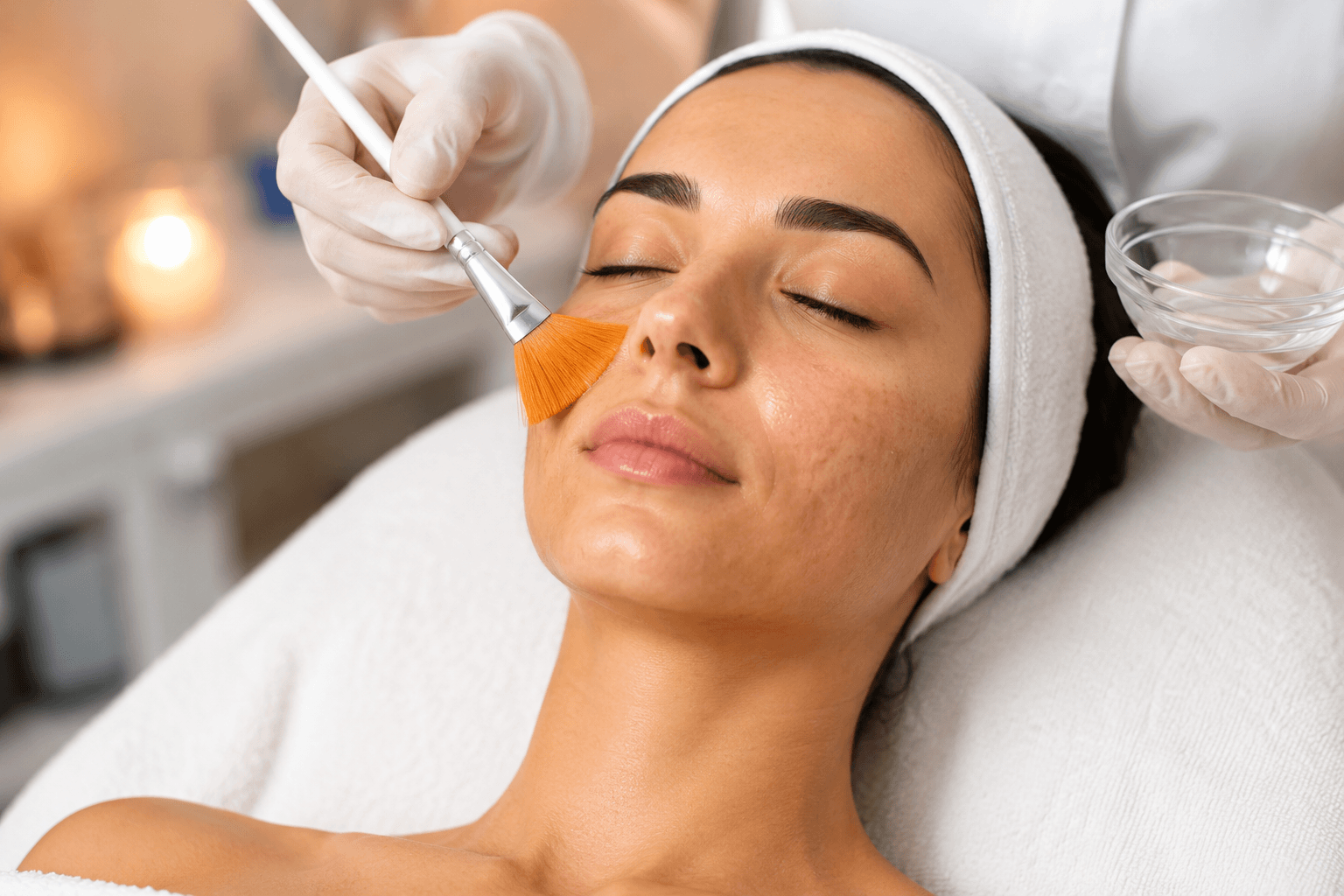
A chemical peel is a facial treatment that uses carefully selected acids to exfoliate the outer layers of skin. By removing damaged skin cells and encouraging cellular renewal, peels help reveal fresher, healthier-looking skin underneath.
How Chemical Peels Work
During a chemical peel, a specialized solution is applied to the skin. Depending on the strength of the peel, it may target:
- Surface-level discoloration
- Sun damage
- Acne-related pigmentation
- Fine lines and texture concerns
- Dull or rough skin
As the treated skin exfoliates, new skin cells emerge with a more even appearance.
Why Chemical Peels Are Popular for Hyperpigmentation
Many skincare professionals consider chemical peels one of the most effective non-surgical options for improving pigmentation concerns because they:
- Accelerate skin cell turnover
- Reduce the appearance of dark spots
- Improve overall skin brightness
- Enhance product absorption
- Create a smoother skin texture
When incorporated into a customized skincare treatment plan, chemical peels can significantly improve overall complexion clarity.
How Long Does It Take to See More Even Skin?
One of the most common questions patients ask is how quickly results appear.
The timeline varies based on several factors:
- Severity of pigmentation
- Type of peel used
- Individual skin response
- Consistency with aftercare
Light Chemical Peels
Light peels often produce visible brightness within a few days. While dramatic pigment correction may require multiple treatments, patients frequently notice improved radiance after their first session.
Medium-Depth Peels
Medium-depth peels typically require more downtime but can produce more noticeable improvements in discoloration and texture.
Long-Term Improvement
For stubborn pigmentation concerns, a series of treatments is often recommended. Many patients begin seeing progressive improvements over several weeks as the skin continues to regenerate.
It's important to remember that hyperpigmentation rarely develops overnight and often requires patience and consistency to correct effectively.
What Peel Options Are Available for Different Skin Types?
Not all chemical peels are created equally. The best option depends on your skin type, sensitivity level, and treatment goals.
Sensitive Skin
Individuals with sensitive skin often benefit from gentler exfoliating acids that provide gradual improvement while minimizing irritation.
Oily and Acne-Prone Skin
Salicylic acid peels are commonly used to address excess oil production, clogged pores, and post-acne discoloration.
Dry or Mature Skin
Lactic acid and other hydrating peel formulations may help improve brightness while supporting moisture retention.
Hyperpigmentation and Melasma
Specialized peel formulations are often selected to target pigment concerns while reducing the risk of further irritation.
Diverse Skin Tones
People with medium to deeper skin tones require careful treatment selection to minimize the risk of unwanted pigmentation changes. This is why an evaluation at a reputable skin care clinic is essential before undergoing any peel procedure.
A personalized consultation helps ensure the chosen treatment aligns with your unique skin characteristics and goals.
Are There Alternatives to Chemical Peels?
Chemical peels are highly effective, but they are not the only option available for improving uneven skin tone.
Professional Skincare Products
Medical-grade skincare products containing ingredients such as vitamin C, retinol, niacinamide, and pigment-correcting agents may help improve discoloration over time.
Microneedling
Microneedling stimulates collagen production while promoting skin renewal, making it a popular option for improving texture and certain pigmentation concerns.
Laser Treatments
Certain laser technologies can target pigment directly. However, these treatments may not be suitable for every skin type and often require a professional assessment.
Customized Facial Treatments
Professional facial treatment services can help maintain healthy skin while supporting ongoing pigment correction efforts.
Sun Protection
Regardless of the treatment selected, daily sunscreen use remains one of the most important factors in preventing future discoloration.
While alternatives exist, chemical peels continue to be a preferred option because they offer a balance of effectiveness, versatility, and relatively minimal downtime.
What Treatment Plan Is Best for Long-Term Results?
Achieving and maintaining an even complexion usually requires more than a single treatment.
Start With a Professional Evaluation
A comprehensive skin assessment helps identify the root cause of discoloration and guides treatment recommendations.
Many patients searching for the best skin care consultation are surprised to learn that pigmentation concerns often involve multiple contributing factors. Addressing those factors early improves treatment outcomes.
Combine Professional Treatments With Home Care
A successful long-term plan often includes:
- Regular professional treatments
- Medical-grade skincare products
- Daily SPF protection
- Consistent hydration
- Healthy lifestyle habits
Follow a Customized Schedule
Some patients benefit from seasonal chemical peels, while others may require a series of treatments spaced throughout the year.
A personalized approach is often the most effective path toward maintaining healthy, balanced skin.
Choose Experienced Providers
Working with an experienced skincare professional helps ensure treatments are selected and performed safely based on your skin type, concerns, and goals.
When searching for the best skin care clinic in Costa Mesa, look for providers who prioritize customized treatment plans rather than one-size-fits-all solutions.
Why Costa Mesa Residents Often Choose Chemical Peels
Living in Southern California means frequent sun exposure, even during cooler months. Over time, UV exposure can contribute significantly to uneven pigmentation and premature aging.
Many Costa Mesa residents seek chemical peel treatments because they can help address:
- Sun spots
- Uneven pigmentation
- Acne marks
- Dull skin
- Early signs of aging
When paired with proper skincare and sun protection, chemical peels can be a valuable tool for maintaining a brighter, healthier complexion year-round.
Your Skin's Fresh Start Might Be Closer Than You Think
If uneven skin tone has been affecting your confidence, a chemical peel may be worth considering as part of a personalized skincare treatment plan. By promoting skin renewal and targeting discoloration at the source, these treatments can help reveal smoother, more radiant skin over time.
The key is choosing the right treatment for your skin type and goals. A professional consultation can help determine whether a chemical peel, another facial treatment, or a combination approach is the most effective solution for achieving long-lasting results.
For individuals seeking solutions for hyperpigmentation, sun damage, and overall skin rejuvenation in Costa Mesa, taking the first step with an expert evaluation can make all the difference.
Frequently Asked Questions
What is a chemical peel and how does it work?
A chemical peel is a professional skincare treatment that uses exfoliating acids to remove damaged outer skin layers. This process encourages new skin cell growth, helping improve discoloration, texture, and overall skin appearance.
Is a chemical peel considered a facial treatment?
Yes. A chemical peel is a type of advanced facial treatment designed to address concerns such as uneven skin tone, acne scars, fine lines, and pigmentation while promoting healthier-looking skin.
How many chemical peel treatments are needed for hyperpigmentation?
The number of treatments varies depending on the severity of discoloration and the type of peel used. Many patients see improvement after one session, but a series of treatments is often recommended for optimal results.
How do I know if a chemical peel is right for my skin?
The best way to determine whether a chemical peel is appropriate is through a professional skin evaluation. A skincare specialist can assess your concerns and recommend the most effective treatment plan for your unique skin type.
Can chemical peels help with sun damage?
Yes. Chemical peels are commonly used as a hyperpigmentation treatment because they help reduce the appearance of sun spots, age spots, and uneven pigmentation caused by UV exposure.
What should I look for when choosing a skin care clinic in Costa Mesa?
Look for experienced providers who offer personalized treatment recommendations, comprehensive skin evaluations, and customized skincare plans. The best skin care clinic focuses on long-term skin health while tailoring treatments to individual needs.
Cosmelan Peel | BioRePeel | VI Peel